
RECENT TENNIS ELBOW NEWS

Leading surgeon reveals UNNECESSARY surgeries to stop patient complaints
Many who have suffered from painful and debilitating tennis elbow have sought out multiple opinions and considered surgery treatment options. But how successful is this invasive and costly procedure? Is it unnecessary for many cases of tennis elbow? Leading surgeon Ian Harris, a Sydney Orthopedic surgeon, reveals that he has performed numerous surgeries that were unsuccessful.[…]
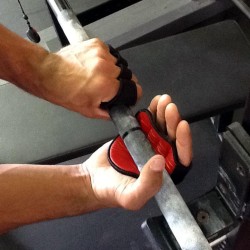
What the Neutral Grip Can Do For You
Can improper grip lead to joint pain and injury? Are some repetitive-strain injuries, such as tennis and golfer’s elbow, more likely to result from improper grip? What’s the safest way to incorporate weight training without risking injury? In this piece for the Poughkeepsie Journal, D.J. Reese explains the effects of grip on injured joints during[…]

Fix Your Golf or Tennis Elbow
Men’s Journal published a great article this month offering readers helpful tips to self-diagnose both golf and tennis elbow. In addition, they give detailed tips on the following exercises: Tricep Release Bicep Release Forearm Extensor Release Forearm Flexor Release Downward Dog Push Up Combined with a top-rated anti-inflammatory like Penetrex Pain Relief, these exercises can have[…]

Dr. Oz & Dr. Roizen on Tennis Elbow Treatment
Dr. Oz & Dr. Roizen give helpful advice on dealing with tennis elbow in this recent publication, which is included below. Rest, ice, and an anti-inflammatory medication like Penetrex Pain Relief Cream. …Tennis elbow, or lateral epicondylitis, triggers pain on the outside of your upper forearm, just below the bend of the elbow. It’s a[…]

Tennis Elbow Usually Heals Without Steroid Injections or Physical Therapy, Study Finds
The study found that the vast majority of sufferers need not go through the risks of dangerous steroid injections. Furthermore, and surprising the study’s first author, the study found no effectiveness in costly physical therapy.
The finding confirms that the vast majority of tennis elbow cases can be self-treated using affordable creams or braces like those discussed here on Tennis Elbow Treatment.
Self Treatment of Tennis Elbow, Discussed by Dr. Barwise in GQ Magazine
GQ Magazine has published a very well-informed article on self treatment of tennis elbow & many common repetitive-strain injuries caused by underlying inflammation. This week we’re looking at some common musculoskeletal problems. Many of these conditions can be self-treated with some standard soft tissue injury advice, but knowing when your symptoms could represent a serious[…]
TOP-RATED TENNIS ELBOW TREATMENTS
PENETREX PAIN RELIEF CREAM
Penetrex is consistently the top-rated tennis elbow treatment by consumers suffering from tennis elbow.
Penetrex delivers proven elements deep into muscles, nerves, ligaments & tendons. The resulting relief is Quick, Strong & Long Lasting.

BRACE & COMPRESSION SLEEVE
The DashSport Compression Elbow System includes a premium quality compression sleeve AND premium elbow brace deisgned to work together to give you as much support and relief as possible.
COPPER COMPRESSION SLEEVE
Guaranteed to have the highest copper content on the market, the CopperJoint is durable, light weight and comfortable. Highest-rated sleeve of its type for tennis elbow.